Accessibility design
Accessibility design
Accessibility design
Share on:


Universal Design: Creating Stadiums for All Fans
1 / What Is Universal Design in Sports Venues?
Universal design aims to create environments that can be used by everyone without the need for adaptation. In stadiums, this means designing spaces that naturally accommodate a wide range of abilities, ages, and preferences, benefiting not only people with disabilities but also families, older fans, and first-time visitors.
2 / Beyond Minimum Compliance
Rather than focusing solely on legal minimums, universal design encourages innovation and creativity. When accessibility features are seamlessly integrated, they enhance the overall aesthetic and functionality of the venue, proving that inclusion and design excellence can coexist.
3 / Accessible Seating — Sightlines and Comfort
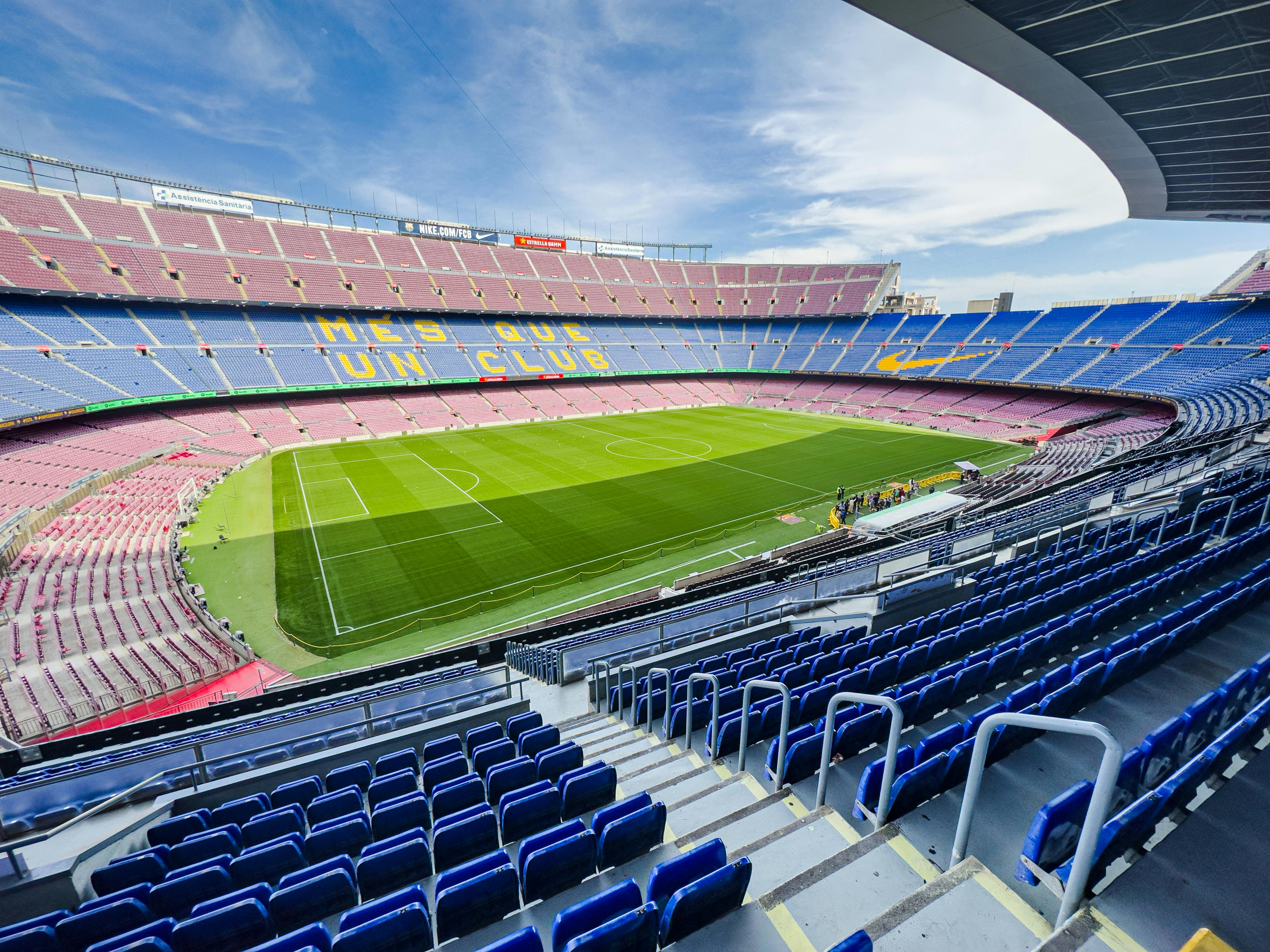
Seating is a core part of the fan experience. Accessible seating should offer comparable views, proximity, and social options. Fans using wheelchairs should be able to sit with friends and family, choose from different price categories, and enjoy the same atmosphere as everyone else.
4 / Restrooms, Concessions, and Amenities for Everyone
An inclusive stadium experience extends beyond the stands. Accessible restrooms, lowered counters, and clear queuing systems ensure comfort and dignity throughout the visit. These features reduce fatigue and frustration, encouraging fans to stay longer and return more often.
5 / Inclusive Signage and Communication
Clear, high-contrast signage, tactile maps, and simple language help all visitors navigate the venue. Inclusive communication reduces confusion and improves safety, especially during busy or high-pressure moments.
6 / The Business Case for Universal Design
Universal design is not just socially responsible — it is economically smart. Inclusive stadiums attract broader audiences, enhance brand reputation, and generate long-term loyalty among fans.
Universal Design: Creating Stadiums for All Fans
1 / What Is Universal Design in Sports Venues?
Universal design aims to create environments that can be used by everyone without the need for adaptation. In stadiums, this means designing spaces that naturally accommodate a wide range of abilities, ages, and preferences, benefiting not only people with disabilities but also families, older fans, and first-time visitors.
2 / Beyond Minimum Compliance
Rather than focusing solely on legal minimums, universal design encourages innovation and creativity. When accessibility features are seamlessly integrated, they enhance the overall aesthetic and functionality of the venue, proving that inclusion and design excellence can coexist.
3 / Accessible Seating — Sightlines and Comfort
Seating is a core part of the fan experience. Accessible seating should offer comparable views, proximity, and social options. Fans using wheelchairs should be able to sit with friends and family, choose from different price categories, and enjoy the same atmosphere as everyone else.
4 / Restrooms, Concessions, and Amenities for Everyone
An inclusive stadium experience extends beyond the stands. Accessible restrooms, lowered counters, and clear queuing systems ensure comfort and dignity throughout the visit. These features reduce fatigue and frustration, encouraging fans to stay longer and return more often.
5 / Inclusive Signage and Communication
Clear, high-contrast signage, tactile maps, and simple language help all visitors navigate the venue. Inclusive communication reduces confusion and improves safety, especially during busy or high-pressure moments.
6 / The Business Case for Universal Design
Universal design is not just socially responsible — it is economically smart. Inclusive stadiums attract broader audiences, enhance brand reputation, and generate long-term loyalty among fans.
View more articles
View more articles
View more articles